
Hinesville Previous-Resident Sources
Hinesville previous residents can be traced across a long but uneven ladder of sources. Modern statewide deed access is the easiest opening move. Earlier work then shifts to Liberty County terminals. FamilySearch indexes, census schedules, and locally held material come next. The table separates verified dates from collections whose exact Hinesville years still need branch confirmation.
| Source | Verified span | Where held | Evidence supplied |
|---|---|---|---|
| GSCCCA Real Estate Index | Guaranteed 1999-present | Online or Liberty Clerk | Parties, instrument, book/page |
| Clerk image system | Historical account to 1976 | Liberty Justice Center terminal | Pre-guarantee bridge; confirm present scope |
| FamilySearch deeds/index | Images 1777-1920; index 1777-1958 | FamilySearch | Grantor/grantee and book/page trail |
| Federal census | Public schedules through 1950 | NARA and library databases | Households, relationships, tenure, neighbors |
| City aerials | 1996, 2006, 2009, 2013, 2018 | Hinesville GIS | Physical site change |
| Directories and permits | Exact local years unverified | Library and city request | Possible occupants and building events |
Open with GSCCCA for a recent transfer. Then ask the Liberty Clerk what the courthouse terminal currently covers. For older land, work the FamilySearch index and request the cited book and page. Save census and directory evidence for household questions. No authoritative Hinesville Sanborn map run or published house-history service exists. Promise yourself neither one.
Hinesville's Four-Date Ladder
The dates 1999, 1976, 1958, and 1777 describe access layers rather than one clean cutoff. GSCCCA guarantees statewide indexing from 1999. A clerk history documents an office imaging project reaching back to 1976. Users should confirm the terminal's present scope. FamilySearch's general index runs through 1958. The land-record stretch begins with Liberty County's 1777 formation.
This is also where a common myth falls apart. Liberty land books were not simply destroyed by Sherman. The clerk's own history says the records survived. Colonial parish sources sit at Georgia Archives. A missing online result may reflect storage, custody, handwriting, or incomplete indexing instead. Search initials and spelling variants. Then scan the full surname section in old direct and reverse street directory books.
The GSCCCA real-estate index guide introduces the modern system.
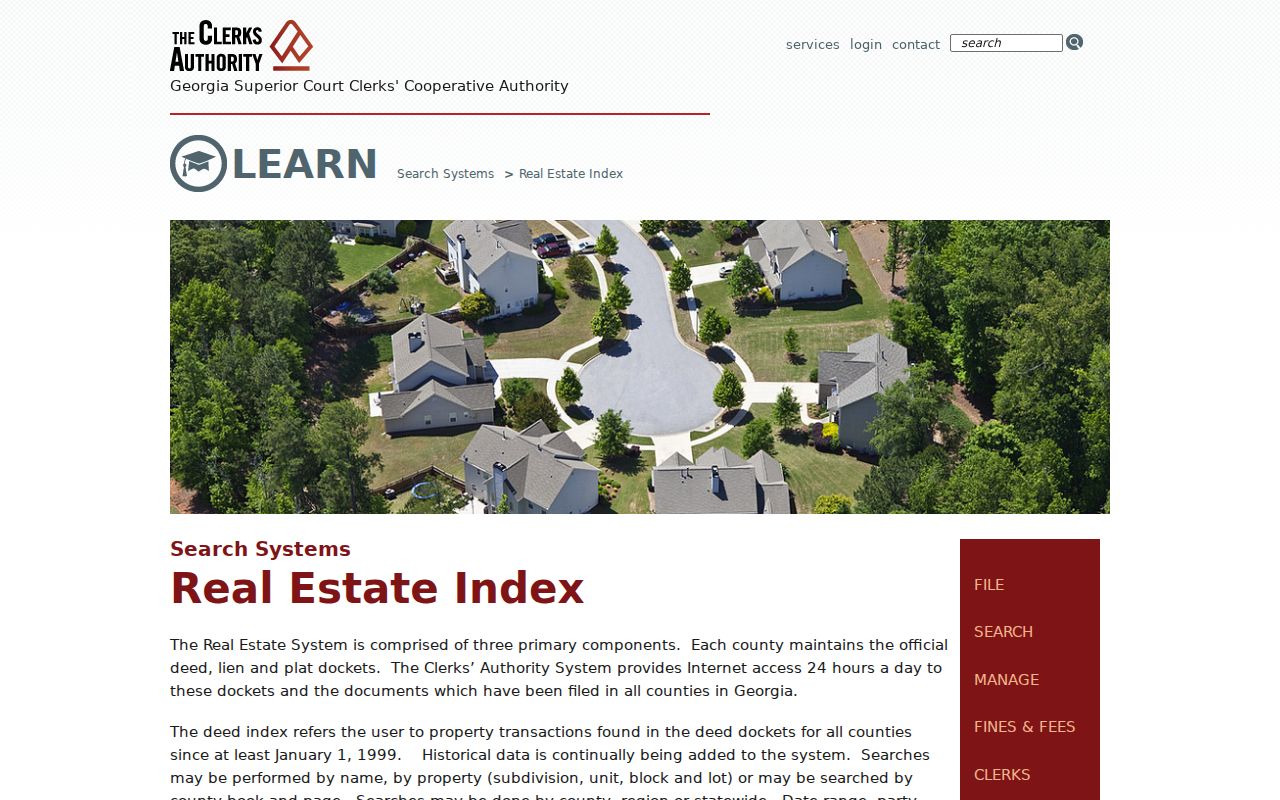
The guide helps you read the portal, but the Liberty Clerk remains custodian for certified images and indexing questions.
Trace Hinesville Owners Backward
Every deed chain begins at the Liberty tax roll. Copy down the parcel or PIN, situs address, owner spelling, and legal description. A legal description fixes the land by subdivision, lot, block, acreage, or metes-and-bounds, and it usually outlasts any street number.
- Find the current parcel and preserve every identifier and the full legal description.
- Search the owner as grantee in Liberty County and open the acquisition deed.
- Record grantor spellings, both dates, book/page, instrument, and prior-deed recital.
- Search each grantor as an earlier grantee, then match the land rather than the name alone.
- When online coverage ends, move to courthouse books, FamilySearch, or Georgia Archives microfilm.
- Grantor
- The seller or person transferring an interest.
- Grantee
- The buyer or person receiving that interest.
- Chain of title
- The linked sequence of transfers for the same land.
- Legal description
- The recorded land identity used through address changes.
Hinesville PT-61 Clues
A deed result can name people without proving a sale or occupancy. Security deeds, liens, easements, and quitclaims each do different work. Read the document type first. Then compare its legal description with your subject parcel. PT-61 transfer declarations help with modern transactions, since buyer and seller addresses and the official sales price can separate people who share a name.
The official PT-61 index guide explains that companion source.
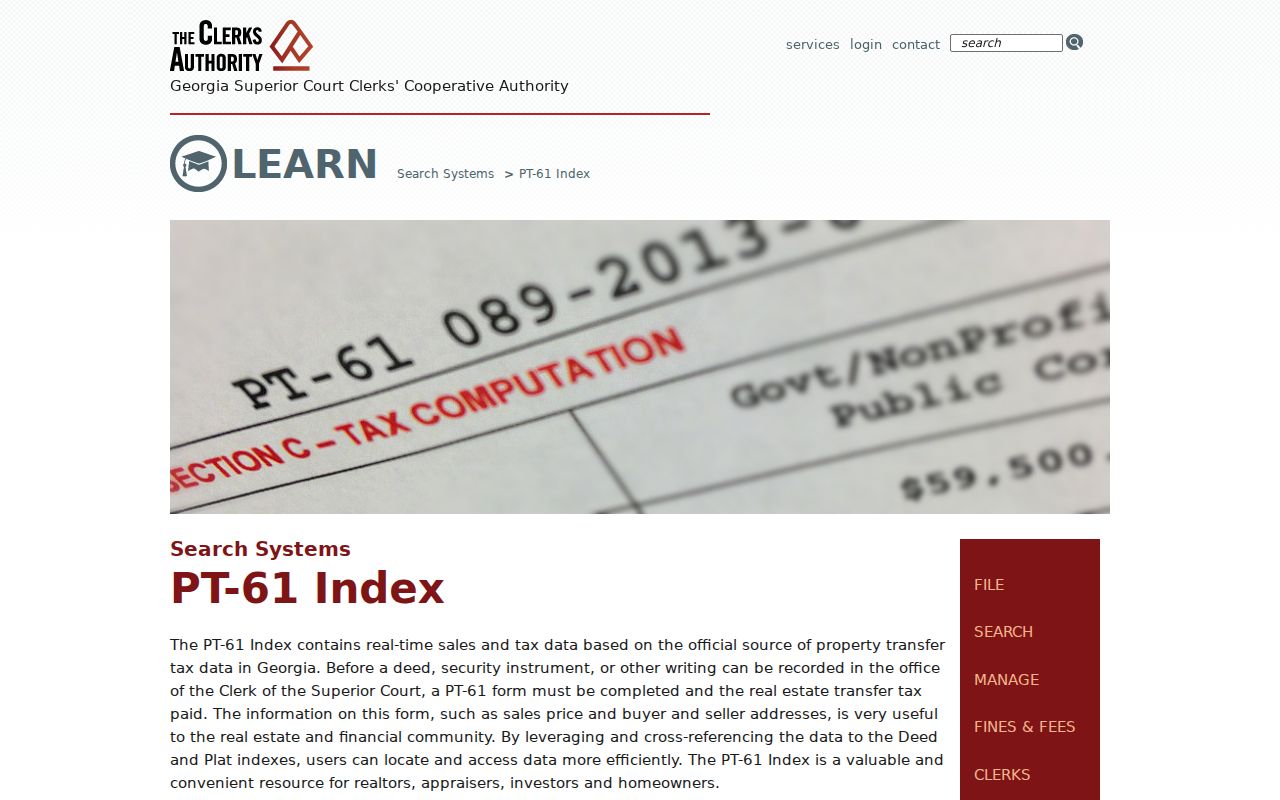
Keep a party's mailing address separate from the parcel's situs address. Neither one alone proves anyone lived there.
Give your deed worksheet the PIN, legal description, book and page, every name spelling, execution date, recording date, consideration when listed, and the next prior citation. Recording often trails execution, so preserve both dates.
When Hinesville Addresses Vanish
County E911 assigns an address to a structure, not to bare land. Remove the building and the address goes invalid. That local rule explains why an old number vanishes. The parcel and deed chain continue untouched. A lot may also have been divided, combined, annexed, or given a new road name.
When the street search breaks down, switch to the PIN. Use lot and block, acreage, plat, and adjoining owners. Old deeds may rely on metes-and-bounds. That is a boundary description built from measured courses and named landmarks. City aerials from 1996, 2006, 2009, 2013, and 2018 show physical change, but never occupants.
Permit and code records can date construction, remodeling, or demolition. Hinesville publishes no public address index for those files. Submit a focused request with the street number, parcel, event type, and date span. For land annexed effective November 1, 2024, ask both city and county custodians whenever the event crosses that date.
Match Hinesville Past Households
Past owners are only one class of previous residents. A census lists a full household, with relationships, tenure, occupations, birthplaces, and nearby families. A telephone book may include only subscribers. Reverse or criss-cross directories start from an address. Exact Hinesville editions and year runs remain unconfirmed online. Call the Hinesville Genealogy Room at 912-368-4003 before citing one.
- Choose the closest dated directory or telephone entry and copy its wording exactly.
- Compare the nearest public census through 1950 using name, spouse, age, work, and nearby households.
- Check adjacent editions or newspapers so a brief appearance is not stretched into a long residence claim.
- Use parcel and deed evidence to decide whether an occupant also held title.
Fort Stewart mobility makes brief appearances very plausible. A military-connected household might use an on-post 31314 address, a civilian Hinesville address, or a parcel owned by someone else entirely. The Hinesville city directory collections page explains how to verify local shelf items.
Lawful use. Trace Hinesville previous residents for house history, genealogy, estate work, or personal research. Never monitor, threaten, or harass a living person.
Close Hinesville Resident Trails
After a name leaves the Hinesville residents directory, the trail often continues in old records. Probate, obituaries, cemetery records, and old newspapers all hold clues. An estate file can name heirs, representatives, and property. The digitized Hinesville Gazette run covers October 1872 through July 1876. It can place names in notices and ads. OCR errors are common, though. Check the issue and page by eye before trusting a hit.
Liberty Probate files can be examined at the Justice Center counter. Mailed copy routes exist where a form applies. The office keeps hours of 8 to noon and 1 to 5. Vital, marriage, and weapons transactions stop at 11:30 and 4:15. Estate examination costs $10 per estate or name, and copy charges are separate. For statewide vital requests, the Georgia DPH request page lists the channels.
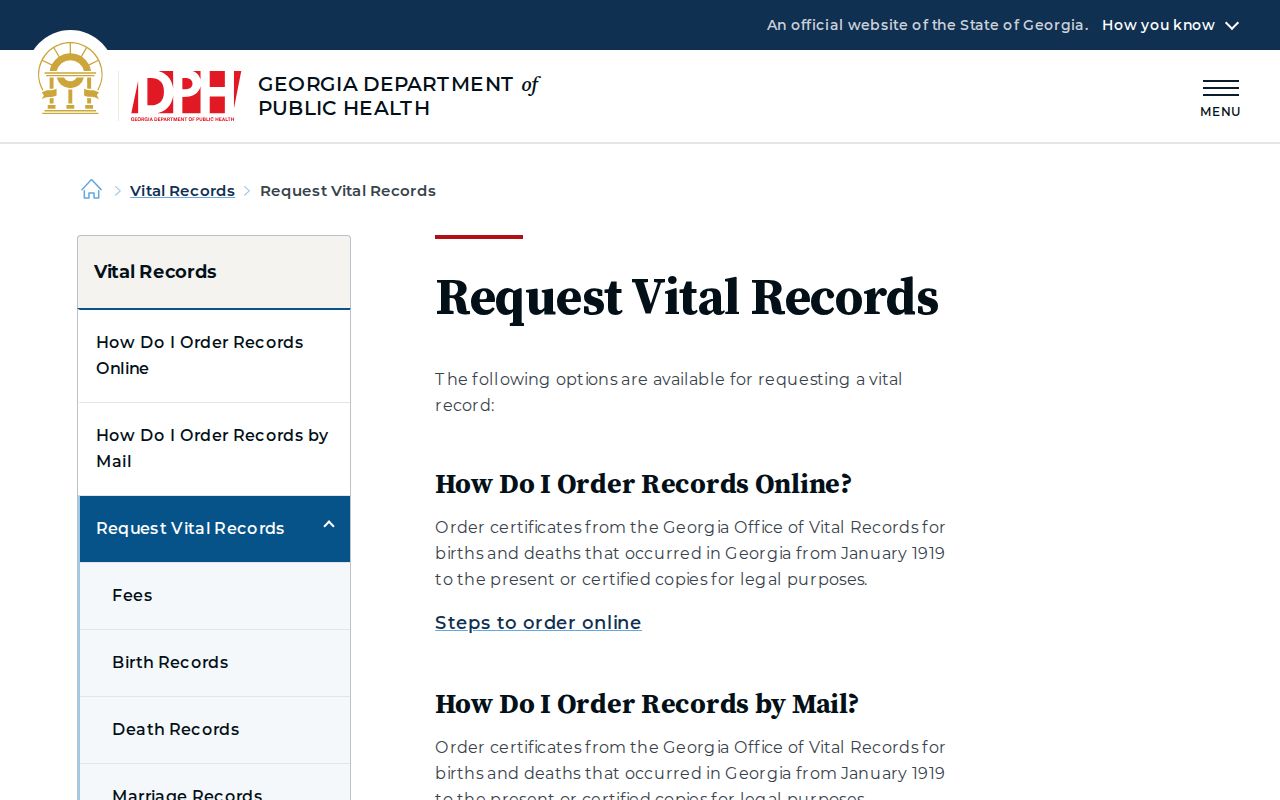
A vital record proves an event, not an address. The county where it was filed may not be where the person last lived.
Verify Hinesville Family Events
Georgia treats vital records with care. A plain-paper death copy is available with the Social Security number redacted. Certified copies require specified standing. Birth certificates go only to qualified requesters, with one exception. Any birth older than 100 years can be issued on plain paper to anyone. These rules let families verify links without turning protected certificates into open records. For current costs, the Georgia DPH fee page is the source.
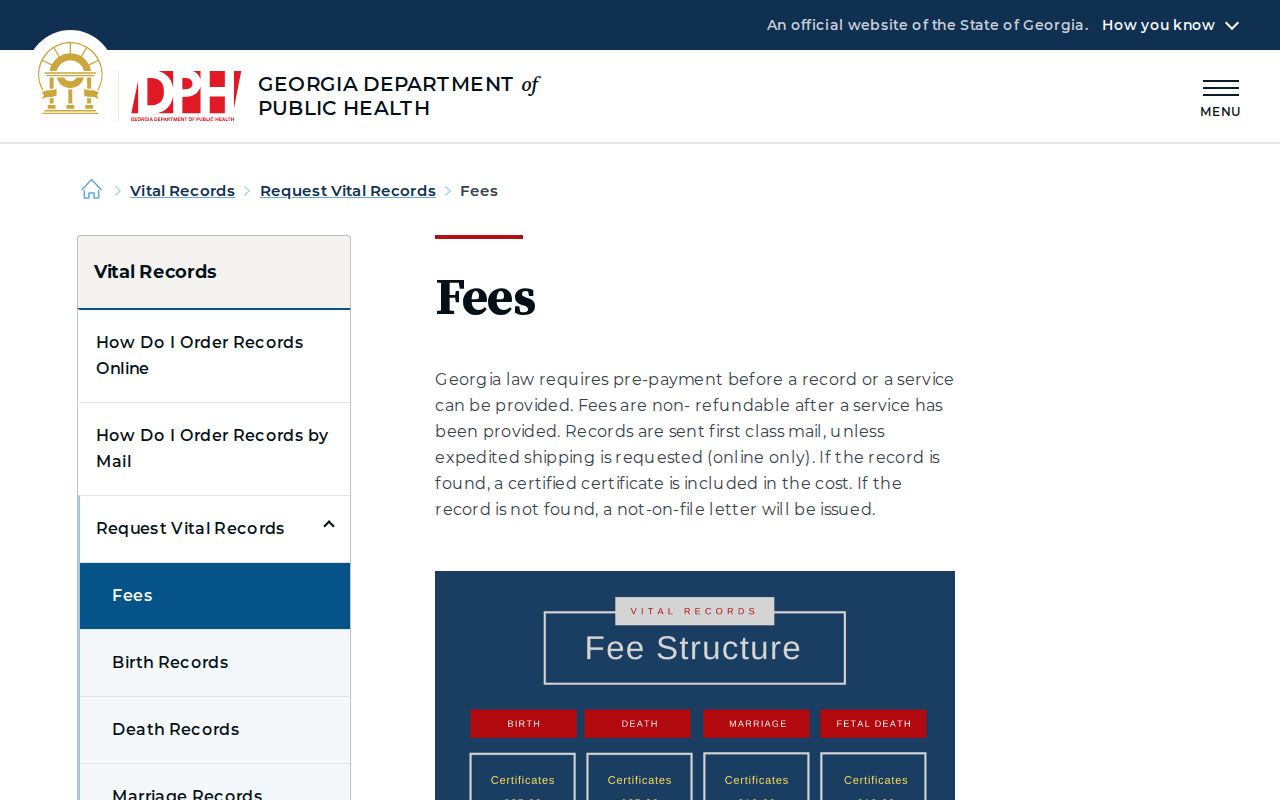
ROVER charges a $25 base plus an $8 online fee. Stated processing runs up to ten weeks. An optional $16 FedEx speeds delivery after processing, not the search itself. For births before statewide registration began in 1919, try delayed birth records, church books, Bibles, census entries, and county sources. Liberty Probate holds a marriage only when Liberty County issued it, so a Hinesville resident's marriage record could sit in another county.
Continue Hinesville Trails Offline
Online results are a starting index, not the finish line. GSCCAA serves remote searches through its statewide index. The Liberty Justice Center counter and its public terminals serve anyone without an account. Before visiting, call or email the clerk. Confirm which years and images are available now and what a certified copy costs. An instrument may be misindexed or an image may need certification. In that case, bring the book and page, instrument type, parties, and recording date to the Liberty Clerk.
Older deed books use direct and reverse indexing. A direct index lists the grantor or seller. A reverse index lists the grantee or buyer. Some volumes group entries only by first letter. Scan the whole surname section and all initials. Once book and page are in hand, compare subdivision, lot, acreage, and adjoining-owner calls. A same-name deed from the right decade is still the wrong record if the land description differs, so check the land description carefully.
FamilySearch's general index reaches 1958, though the described deed-image run ends in 1920. A later citation may therefore point back to a clerk-held book instead of a viewable image. Georgia Archives county cards help route pre-1900 microfilm. Hinesville became the county seat in 1836 or 1837. For anyone who lived before then, search the older parish and Liberty County record groups rather than expecting a city file.
The Hinesville Genealogy Room adds several research tools. These include Ancestry Library Edition, HeritageQuest, Georgia Historic Newspapers, African American Newspapers, and FamilySearch access. Ask staff for exact titles, years, publishers, call numbers, and whether a volume has a street guide. No exact local reverse-directory run is known. Record branch findings before citing them as evidence of past residents.